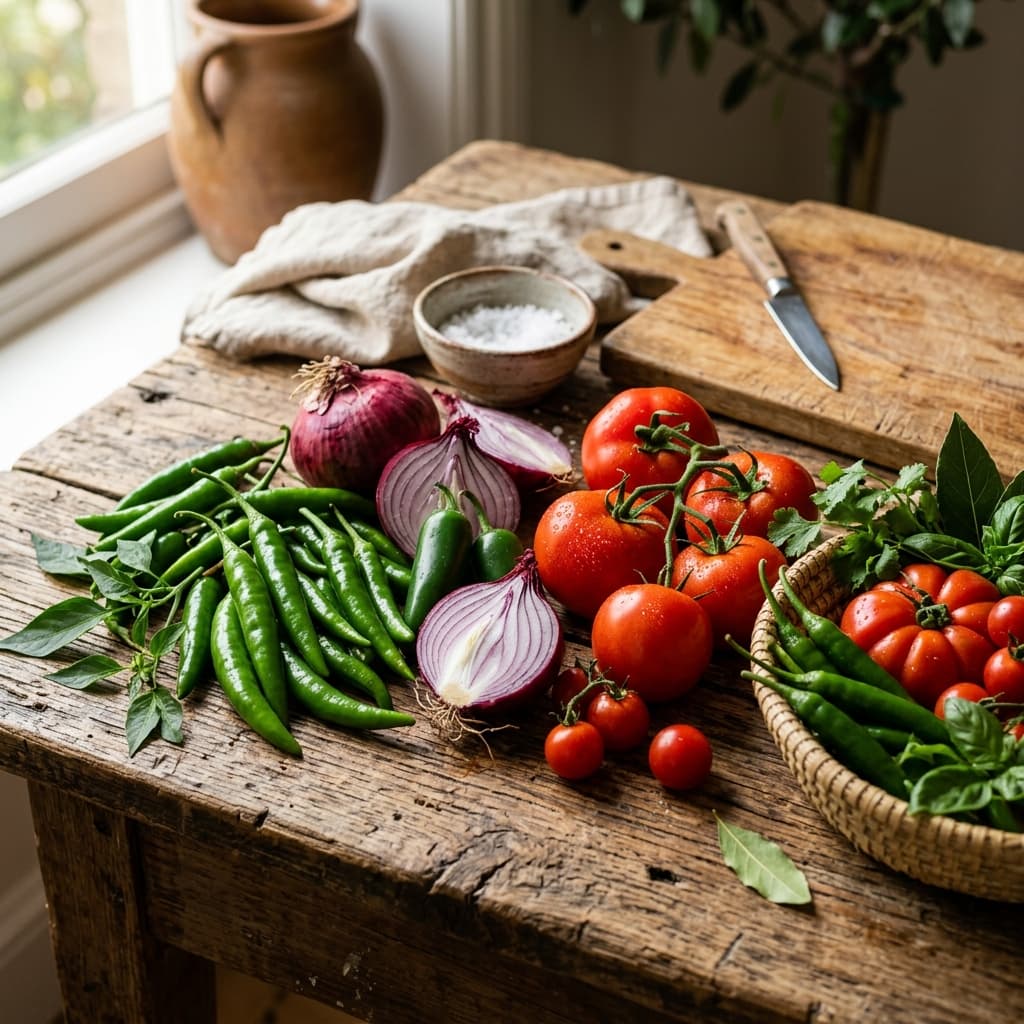
India holds a unique position as one of the world's largest producers and exporters of onions. From the bustling wholesale markets of Maharashtra to modern export hubs in Gujarat, the Indian onion trade fuels kitchens, food industries, and supermarkets across the globe. The demand for bulk onion supply keeps rising thanks to India's diverse varieties, reliable harvest cycles, and strong network of Indian onion exporters.
For decades, onion export from India has been a cornerstone of the country's agricultural exports, supplying premium-quality red, white, and pink onions to Asia, the Middle East, and beyond. Whether you are a global importer seeking dependable suppliers or a new entrepreneur exploring export opportunities, understanding the production landscape, export process, and policies is crucial to success.
Onion Production in India
India's diverse agro-climatic zones make it ideal for onion cultivation throughout the year. Here's what drives India's export capacity:
Major Production Regions
- Maharashtra: The largest onion-producing state, contributing over 40% of total output, especially from Nashik
- Gujarat: Known for its robust onion clusters, particularly in Bhavnagar and Junagadh
- Karnataka: Supplies significant volumes of high-quality red onions
- Madhya Pradesh, Rajasthan, and Andhra Pradesh: Also play vital roles in meeting domestic and export demand
Varieties Grown
- Red Onions: Most widely cultivated, preferred for their pungency and longer shelf life
- White Onions: Favored in food processing and pickling due to milder flavor
- Pink Onions: Popular in neighboring countries for their balanced taste and appealing appearance
Harvest Calendar and Exportable Volume
India enjoys three onion harvest seasons:
- Rabi (March–May): Largest harvest, accounting for ~60% of annual production
- Kharif (October–December)
- Late Kharif (January–March)
Annual production exceeds 25 million metric tons, enabling consistent bulk onion exports throughout the year.
Top Export Destinations for Indian Onions
Indian onions find markets in over 50 countries. Here are the most significant importers:
Top Importing Countries
- Bangladesh: The largest buyer of Indian onions, relying heavily on cross-border trade
- United Arab Emirates (UAE): Major re-export hub and direct consumer
- Malaysia: Steady importer for retail and industrial use
- Sri Lanka: Significant buyer during seasonal shortages
- Other major markets include Nepal, Indonesia, and Gulf countries
Trade Volumes and Trends
Over the past five years, India has exported between 1.2–2.5 million metric tons of onions annually. Exports fluctuate due to:
- Domestic price volatility
- Government policy interventions
- Global market demand shifts
Policy and Pricing Shifts
In recent years, temporary export bans and Minimum Export Price (MEP) hikes have influenced supply and pricing. Buyers are increasingly seeking stable suppliers who can navigate policy changes efficiently.
The Onion Export Process from India
To maintain quality and meet global standards, Indian exporters follow a rigorous process:
Sorting, Grading, and Packaging
- Sorting: Removing damaged, sprouted, or undersized bulbs
- Grading: Classifying by size (25–55mm+), color, and variety
- Packaging: Typically in 5kg, 10kg, or 25kg mesh/polypropylene bags with proper labeling
Quality Control
- Pre-shipment inspections
- Compliance with destination country standards (size uniformity, absence of mold, pesticide residues)
- Moisture content testing and quality assurance checks
Transport Logistics & Cold Chain
- Road transport: From farms to pack houses and ports
- Cold chain: Temperature-controlled storage to prolong shelf life
- Port handling: Loading at major ports like JNPT Mumbai, Mundra, and Chennai
Export Documentation
Exporters must secure:
- Phytosanitary Certificate
- FSSAI Certificate
- Certificate of Origin
- Bill of Lading
- Commercial Invoice & Packing List
- DGFT registration and IEC code
Government Policies Affecting Onion Exports
Indian onion exports are periodically influenced by policy controls:
- Minimum Export Price (MEP): The floor price set to control domestic inflation
- Temporary Bans: Imposed during shortages or price surges
- DGFT Licensing: Notifications regulating permissible quantities
- Export Quotas: Sometimes imposed to balance domestic supply
Staying updated on DGFT circulars is essential for compliance.
Challenges Faced by Onion Exporters
While demand remains strong, exporters must tackle:
- Price Fluctuations: Sudden domestic price hikes affecting margins
- Market Competition: Competing with Egypt, China, and Turkey
- Infrastructure Issues: Limited cold chain and warehouse capacity
- Short Shelf Life: Even with careful storage, onions are perishable
- Policy Uncertainty: Sudden export bans disrupting supply chains
Growth Opportunities for Indian Onion Exporters
Despite challenges, India's onion trade offers robust growth potential:
- Building Resilient Supply Chains: Investing in farm-level collection and storage
- Direct Buyer Partnerships: Long-term contracts with supermarkets and wholesalers abroad
- Adopting Post-Harvest Technologies: Advanced drying, grading, and packaging innovations
- Value Addition: Exploring processed onion products like flakes, powder, and paste
- Market Diversification: Expanding to new markets in Africa and Europe
Expert Tips for New Onion Exporters
If you're planning to enter the export market, follow these steps:
-
Get a DGFT License
Register and obtain an IEC code from DGFT
-
Register with APEDA
Mandatory for agricultural exports
-
Understand Destination Requirements
Each country has different standards and import regulations
-
Find Buyers
Use B2B trade portals (Alibaba, TradeIndia), attend Gulfood and Asia Fruit Logistica expos
-
Ensure Packaging Compliance
Proper labeling and barcodes as per destination country requirements
-
Build Logistics Partnerships
Work with experienced freight forwarders specializing in agricultural products
Why Choose Us as Your Onion Export Partner?
- Direct sourcing from major production regions in Maharashtra and Gujarat
- State-of-the-art grading and packaging facilities
- Complete export handling from documentation to shipping
- Compliance with international quality standards
- Competitive pricing with reliable delivery schedules
- Expertise in navigating export policies and regulations
We don't just export onions — we deliver quality, reliability, and freshness to your market.